

One of the things I enjoy most about interviewing longtime investors is hearing them challenge assumptions that many people have come to accept as fact. That happened repeatedly in my conversation with Ken Kencel, president and CEO of private capital manager Churchill Asset Management. The highest returns don’t necessarily belong to the best manager or fund. The biggest deals aren't always the safest. And in an industry awash in capital, relationships may matter more than ever.
I found myself coming back to one phrase from our conversation: “the sediment at the bottom of the barrel.” It’s how Kencel explains why investors need to understand the limits of what high returns tell them about a fund and probe deeper than the track record. In credit, headline returns can look attractive for years until the weakest loans finally reveal themselves. Only then do investors discover what was really sitting at the bottom of the portfolio.
(Listen to the full conversation on Spotify, Apple or wherever you get your podcasts or by scrolling to the end of this article.)
The conversation kept returning to things investors and managers may not be thinking hard enough about. That came up again when we turned to retail investors and liquidity.
Kencel argues that recent redemption pressures say less about private credit itself than about investors adjusting to the realities of an illiquid asset class. But as he puts it, private credit isn't “semi-liquid.” It's fundamentally illiquid, and products need to reflect that.
Retail investors should only be a small part of a manager’s business. “Maybe 15 to 25 percent, let’s call it,” he said. “But if you’re 80 percent retail, you’ve got this constant ebbing and flowing of redemptions and flows. I think it makes it very difficult to manage a private credit business if you’re dominated by quarterly redemptions.”
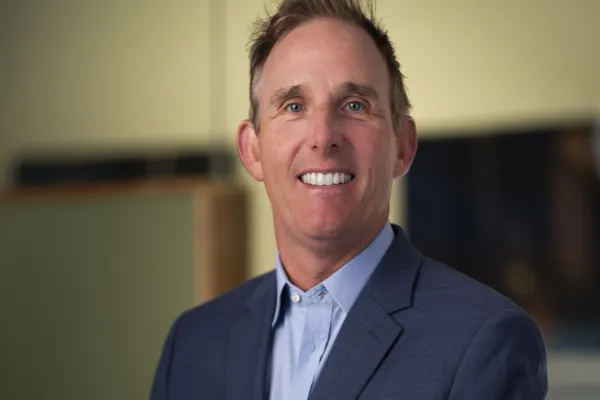
The discussion also offered a window into one of Churchill's less obvious advantages: being both a lender and a limited partner in hundreds of private equity funds — which gives the firm a source of intelligence on the market. A separate team not only evaluates the funds’ performance, but “what industries they have expertise in… how they support their portfolio companies, meaning do they fix problems, do they have operating expertise” to tap into, said Kencel.
That perspective also gives Kencel clues about where stress is most likely to emerge. He challenges a common assumption that bigger deals are safer deals. Some of the largest private-credit transactions have been underwritten with higher leverage and fewer lender protections, creating risks that aren’t immediately visible when markets are strong. At the same time, he’s wary of the smallest end of the market, where companies with $5 million to $15 million in earnings are often less diversified and more vulnerable during downturns.
Maybe this is just the journalist in me, but one part of the conversation I particularly liked was Kencel's argument that technology and scale haven't diminished the importance of relationships. In fact, he believes they matter more than ever. “AI in many respects is going to make information almost commoditized,” he said. If Claude can instantly turn up any fact, trust and long-standing partnerships become the differentiators.
Follow In Conversation with Julie Segal on Spotify, Apple, or wherever you get your podcasts.
About
In Conversation with Julie Segal is a dialogue between Julie Segal, editor of Institutional Investor Magazine, with the people who have shaped and continue to influence the world of institutional investors. The podcast features both familiar names talking about new ideas and upstarts who want to do things differently.
Note: Interviews are editorially independent of our sponsors.