
Emerging markets are an unexpected beneficiary of the rapid growth of artificial intelligence and the infrastructure being built to sustain it.

Although the bulk of AI innovation is coming from the U.S. and to a lesser extent China, the effects of the buildout are starting to surface in certain emerging markets.

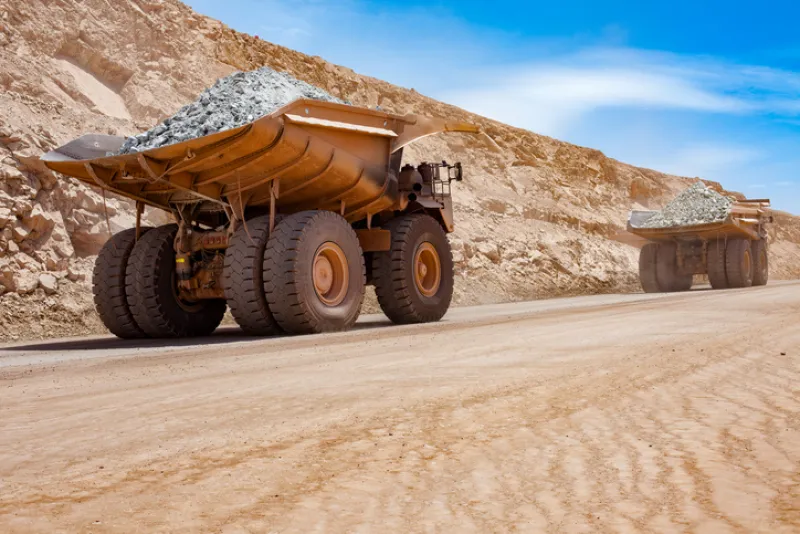
Copper futures have risen more than 25 percent in the past six months. Most of the world’s copper, which is used in data centers, is mined in South America, with Chile and Peru the largest producers, as well as in certain Sub-Saharan African nations, including the Democratic Republic of the Congo.

“It is not a direct impact, but EM is selling the shovels to the people who are mining for gold,” said Jim Craige, CIO and head of emerging markets at Stone Harbor Investment Partners.

Emerging markets have traditionally been a late cycle trade, often sold when global volatility rises, but that dynamic may be shifting, said Sammy Suzuki, head of emerging markets equities and deputy head of equities at AllianceBernstein.

Although there has been “an emerging markets ice age” since about 2010, markets have picked up recently, despite widespread geopolitical instability and volatility. Consensus earnings per share for the MSCI Emerging Markets Index are rising quickly, and much of this growth is being driven by AI-related CapEx, Suzuki said.

He also pointed to bottlenecks in processor production as another driver of EM growth. The manufacturing of semiconductors predominantly takes place in Asian countries, with some 90 percent of global supply coming from Taiwan alone.

Rising oil prices have also had a positive impact on oil producing and exporting countries such as Angola and Nigeria.

Emerging markets now have the strongest credit quality on record, with ratings upgrades outpacing downgrades, said Craige.

“We went through the crucible of a lot of negative events and now we are on the other side of that,” he said.